
Basil Ocimum basilicum
How Often Should I Water Basil
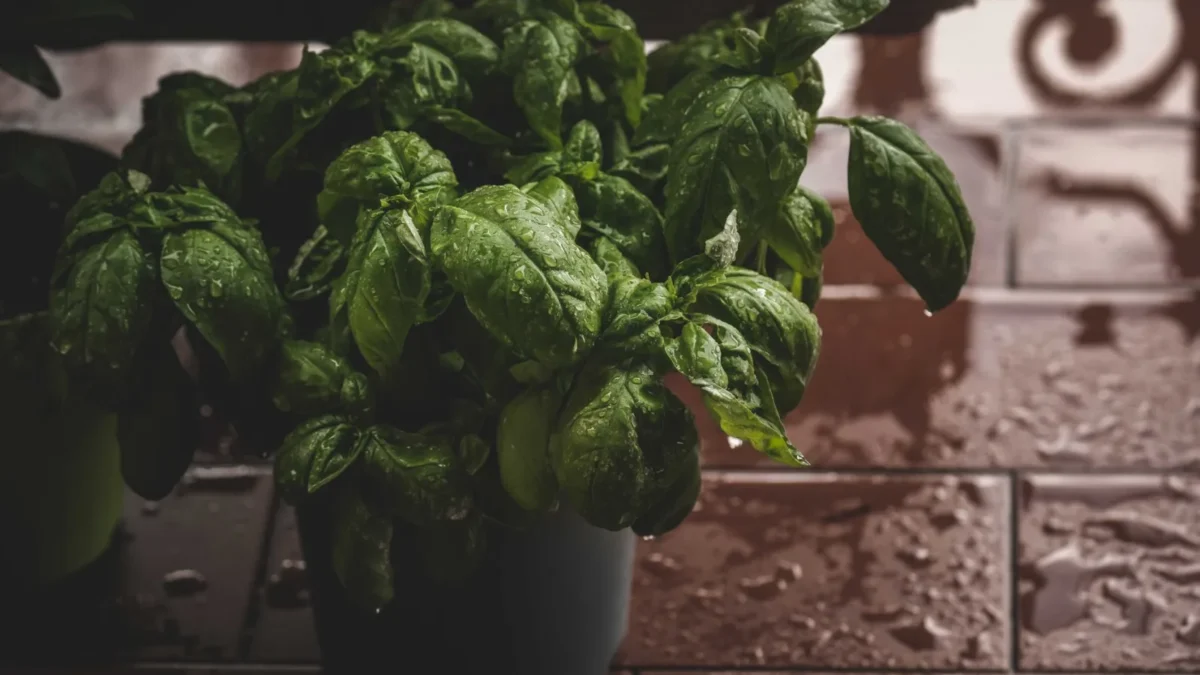
Quick answer: Water basil when the top 1/2 inch of soil is dry indoors, and soak the soil deeply once per week outdoors. In containers during hot weather, you may need to water daily. The key is keeping soil consistently moist without letting it stay soggy—basil needs water often enough to prevent wilting.
| Botanical name | Ocimum basilicum |
|---|---|
| Light | 6-8 hours direct sun daily; benefits from afternoon shade; 12 hours artificial light indoors |
| Watering | Water when soil is dry 1/2 inch below surface; water often to prevent wilting |
| Temperature | 60-80°F (15.5-27°C); avoid temperatures below 40°F |
| Soil | Moist, well-drained soil; pH 6.0-7.5; avoid heavy clay and overly fertile sites |
| Feeding | Soluble fertilizer frequently; especially when lower leaves yellow from nitrogen deficiency |
| Size | 8-10 inches (Spicy Globe); 15 inches (Lettuce Leaf); varies by variety |
| Difficulty | easy |
| Cats | ✓ non-toxic |
| Dogs | ✓ non-toxic |
Watering basil indoors vs. outdoors
Your watering routine depends on where basil grows. Indoors, check the soil with your finger regularly and water when it feels dry 1/2 inch below the surface. This approach works because pots dry out faster than garden soil and you can control moisture more precisely.
Outdoors in the ground, water deeply once per week, soaking the soil down to 8 inches. This encourages deep root growth and helps the plant access moisture between waterings. Garden soil holds water longer than container soil, so a weekly schedule usually works well.
Basil in containers and hot weather
Potted basil behaves differently from ground-planted basil. Container herbs may need daily watering in hot weather, since pots warm up quickly and soil dries rapidly. Feel the soil each morning—if it’s dry at the surface, water thoroughly until it drains from the bottom.
Always water at the base of the plant, not overhead. Wet foliage invites disease. Remove any water that collects in saucers beneath pots; standing water causes root rot and yellowing leaves.
Signs of too much and too little water
Underwatering is easy to spot: leaves wilt and droop, sometimes turning crispy at the edges. Basil must be watered often enough so plants do not wilt. If your plant wilts despite frequent watering, check that the soil drains well and isn’t compacted.
Overwatering causes yellowing leaves and soft, mushy stems. While basil needs moist soil, soggy conditions rot roots. The balance is keeping soil consistently moist without waterlogging it. If leaves yellow and the soil stays wet, reduce watering frequency and ensure your pot has drainage holes.
Yellowing lower leaves can also signal nitrogen deficiency rather than watering issues. If only the bottom leaves yellow and new growth looks healthy, apply a soluble fertilizer. Basil benefits from frequent fertilizing, especially during the growing season.
Read the full guide: Basil Care: The Complete Guide to Growing Healthy Plants Indoors and Outdoors
Was this article helpful?
More about Basil
The same problem in other plants
- How Often Should You Water Zucchini Plants?
- How Often to Water Cucumber Plants
- How Often to Water Tomato Plants
Sources
Photo: Francesco Ungaro / Pexels, Pexels