
Basil Ocimum basilicum
Basil Companion Plants: What to Grow Together for Garden Success
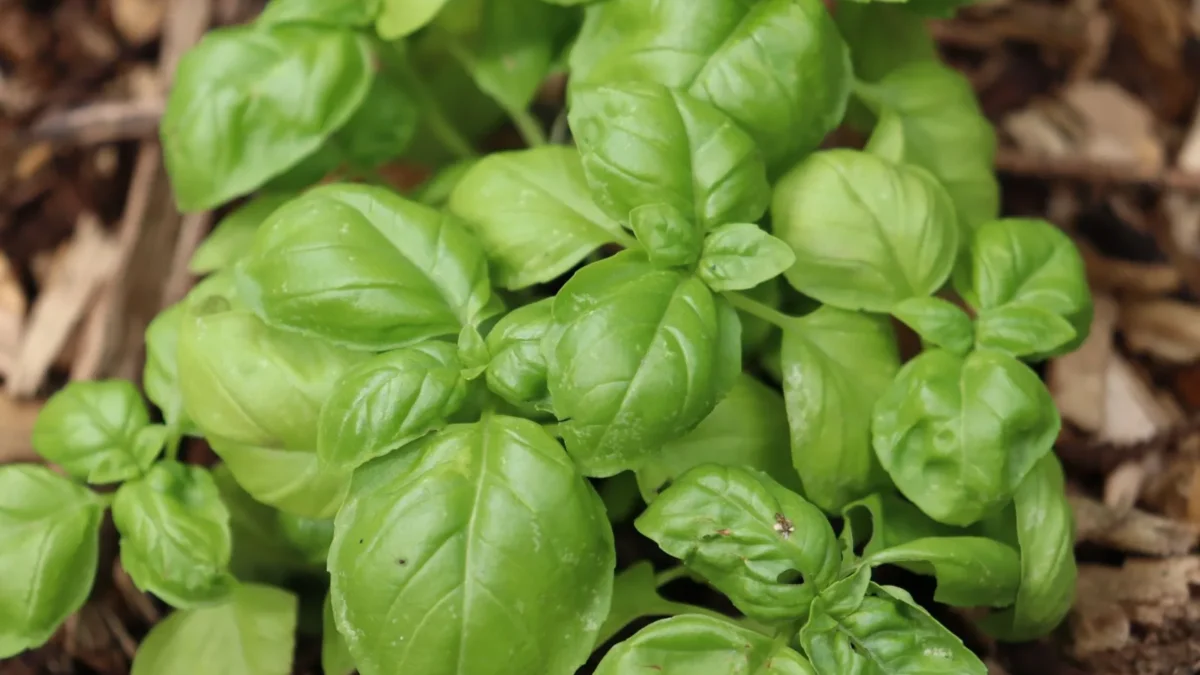
Quick answer: Basil is an excellent companion plant that pairs well with tomatoes, peppers, and cucumbers. Cinnamon basil planted near tomatoes and roses helps discourage pests like whiteflies.
| Botanical name | Ocimum basilicum |
|---|---|
| Light | 6-8 hours direct sun daily; benefits from afternoon shade; 12 hours artificial light indoors |
| Watering | Water when soil is dry 1/2 inch below surface; water often to prevent wilting |
| Temperature | 60-80°F (15.5-27°C); avoid temperatures below 40°F |
| Soil | Moist, well-drained soil; pH 6.0-7.5; avoid heavy clay and overly fertile sites |
| Feeding | Soluble fertilizer frequently; especially when lower leaves yellow from nitrogen deficiency |
| Size | 8-10 inches (Spicy Globe); 15 inches (Lettuce Leaf); varies by variety |
| Difficulty | easy |
| Cats | ✓ non-toxic |
| Dogs | ✓ non-toxic |
Why basil companion plants matter
Basil doesn’t just add flavor to your meals—it actively helps neighboring plants thrive. The relationship works both ways: basil benefits from the shade and shelter larger plants provide, while it offers pest protection to those around it. When you grow basil companion plants together in the same bed or container, you’re creating a natural defense system that reduces your reliance on pest treatments.
Basil needs 6–8 hours of direct sun daily and benefits from afternoon shade, so taller companion plants like tomatoes and peppers create ideal growing conditions. You’ll space basil plants 12 to 18 inches apart, giving enough room for air circulation and rapid leaf drying after rain.
Best vegetables and herbs to grow alongside basil
Tomatoes are the classic basil companion. Plant basil near your tomato stakes or cages—the herb thrives in the dappled afternoon light while keeping common tomato pests at bay. Peppers work the same way; basil’s aromatic oils repel insects that damage pepper foliage and fruit.
Cucumbers benefit from basil’s presence too. The herb’s strong scent masks cucumber plants from pests that feed on their leaves and developing fruit. If you’re growing roses alongside your vegetable garden, cinnamon basil specifically discourages whiteflies.
Other herbs mix well with basil as long as they share similar sun and water needs. All these plants thrive when watered regularly—basil must be watered often enough so plants don’t wilt, and the soil should be moist but well-drained. Water deeply once per week outdoors, soaking the soil to 8 inches, or daily in hot weather if you’re growing basil in containers.
Water by soaker hose, drip irrigation, or at the base of each plant; avoid wetting foliage, which makes plants more prone to disease.
Creating the right conditions for companion planting
Choose a very sunny site and space plants far enough apart to promote rapid leaf drying from dew and after rainfall. This matters because basil is susceptible to downy mildew, a serious disease that starts on lower leaves and moves up, causing pale yellow areas with velvety grey fuzz underneath. Minimize leaf wetness and reduce humidity by avoiding overhead watering.
Keep the temperature between 60–80°F. Basil is easily damaged in cold, and cool weather dramatically slows its growth rate. Once plants are established, pinch out the growing tips regularly—this is the best way to encourage more leaf development and keep plants producing fresh foliage instead of flowering.
Fertilize basil frequently with a soluble fertilizer, especially when lower leaves turn yellow from nitrogen deficiency.
FAQ
Can I grow basil indoors with other herbs?
Yes. Basil needs about 12 hours of artificial light daily indoors, and should be watered when soil is dry 1/2 inch below the surface. Spicy Globe basil is an excellent indoor variety because it’s slower to go to seed than most other types.
Why is basil yellowing despite companion planting?
Yellowing at the bottom of the plant usually signals nitrogen deficiency—apply a soluble fertilizer to correct it. Yellowing across the whole leaf with grey fuzz underneath indicates downy mildew, which requires better air circulation and drier foliage.
When should I harvest basil grown with companion plants?
Harvest leaves when they’re still tender, ideally just before flowering for the best flavor. Mid-morning is the best time to pick, when oil content is highest.
Read the full guide: Basil Care: The Complete Guide to Growing Healthy Plants Indoors and Outdoors
Was this article helpful?
More about Basil
The same problem in other plants
- Best Companion Plants for Zucchini
- Best Cucumber Companion Plants
- Best Companion Plants for Tomatoes
Sources
Photo: Honglei Yue / Pexels, Pexels