
Tomato Solanum lycopersicum
Why Are My Tomato Leaves Turning Yellow?
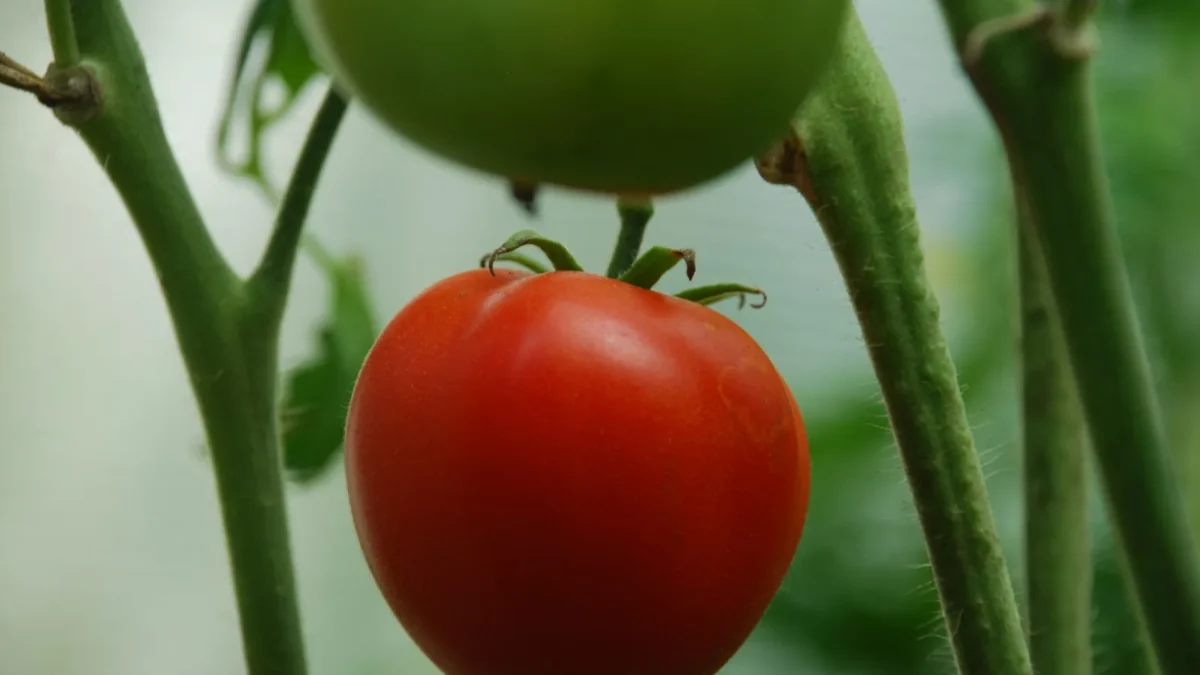
Quick answer: Tomato leaves turning yellow usually means nitrogen deficiency, overwatering, or early blight fungal disease. Check where the yellowing starts—bottom leaves suggest nitrogen lack, while target-shaped spots mean disease. Fix watering habits and add nitrogen fertilizer once fruits form.
| Botanical name | Solanum lycopersicum |
|---|---|
| Light | Bright overhead light for seedlings; light not necessary for fruit ripening |
| Watering | Keep soil evenly moist; water deeply 1–2 inches weekly in-ground; daily for containers |
| Temperature | Night temperatures 55–75°F for fruit set; avoid temperatures above 90°F |
| Soil | Deep, loamy, well-drained soil with organic matter; pH 6.2–6.8 |
| Feeding | Regular liquid tomato food once fruits form, per manufacturer instructions |
| Difficulty | moderate |
| Cats | ⚠️ toxic — Leaves, stems, green fruit contain solanine; ripe fruit non-toxic |
| Dogs | ⚠️ toxic — Leaves, stems, green fruit contain solanine; ripe fruit non-toxic |
| What you see | Likely cause | What to do |
|---|---|---|
| Yellow starting at bottom leaves, moving up | Nitrogen deficiency | Feed with liquid tomato food once fruits form, following manufacturer instructions |
| Yellowing all over, soft stems, soggy soil | Too much water | Let soil dry between waterings; water deeply 1–2 inches weekly in-ground, or daily for containers |
| Dark brown spots with concentric rings and yellow halos | Early blight (fungal disease) | Remove affected leaves immediately; water at the base, not foliage; improve air circulation |
| Yellow between veins while veins stay green | Magnesium deficiency | Occurs in acidic soils; check your soil pH (should be 6.2–6.8) and consider a magnesium supplement |
| Yellowing on newer, upper leaves | Iron deficiency | Less common than nitrogen; test soil pH—iron deficiency appears in alkaline conditions |
Nitrogen deficiency—the most common cause
Yellow tomato leaves most often mean your plant isn’t getting enough nitrogen, especially when yellowing starts at the bottom and works its way up. Nitrogen is essential for making chlorophyll, so without it, leaves can’t stay green no matter how much sun they get.
Once your tomato fruits start forming, feed the plant regularly with a liquid tomato food following the maker’s instructions. This supplies the nitrogen and other nutrients fruit production demands.
Overwatering—drowning your plant slowly
Too much water is surprisingly common and just as damaging as too little. When soil stays soggy, roots suffocate from lack of oxygen and can’t absorb nutrients even when they’re present in the soil.
Tomatoes need consistent moisture, not constant wetness. For ground-planted tomatoes, water deeply once a week, delivering 1–2 inches of water each time. Container tomatoes are different—they dry quickly, so water daily, or twice a day in hot weather. Always water at the base of the plant rather than spraying foliage.
Early blight disease
If your tomato’s yellow leaves have dark brown spots with concentric rings (like a target), you’re likely dealing with early blight, a fungal infection. This spreads from lower leaves upward and thrives in humid conditions.
Remove infected leaves as soon as you spot them. Make sure you’re watering at soil level, not wetting the foliage, and space plants so air flows between them. Disease pressure drops when leaves stay dry.
Magnesium and iron deficiencies
Magnesium deficiency shows differently than nitrogen—the area between leaf veins turns yellow while the veins themselves stay green. This happens more in acidic soils or when excess potassium blocks magnesium uptake. Test your soil; it should sit between pH 6.2 and 6.8.
Iron deficiency yellows the younger leaves at the top of the plant rather than the old ones at the bottom. It’s less common than nitrogen or magnesium issues but appears when soil pH runs too high.
FAQ
Can I save a plant with yellowing leaves?
Yes, if you catch it early. Stop overwatering immediately, adjust feeding, or remove diseased leaves. The plant will push new growth once the stressor is gone.
Should I remove all yellow leaves?
Remove them if they have disease spots or if they’re mostly dead. If the plant just looks faded from nutrient lack, leave them and focus on feeding—new growth will be green.
Read the full guide: Tomato Care: The Complete Growing Guide
Was this article helpful?
More about Tomato
The same problem in other plants
- Bell Pepper Leaves Turning Yellow: Causes and Fixes
- Why Are My Zucchini Leaves Turning Yellow?
- Why Are My Cucumber Leaves Turning Yellow?
- Why Are My Basil Leaves Turning Yellow?
Sources
- Create Your Own Tomato Watering Schedule
- Why are my tomato plant leaves turning yellow? 5 steps to save your harvest
- Why Are My Tomato Leaves Turning Yellow? Causes & Fixes
Photo: Andrew Swarga / Pexels, Pexels