
Tomato Solanum lycopersicum
Why Are My Tomatoes Splitting and Cracking?
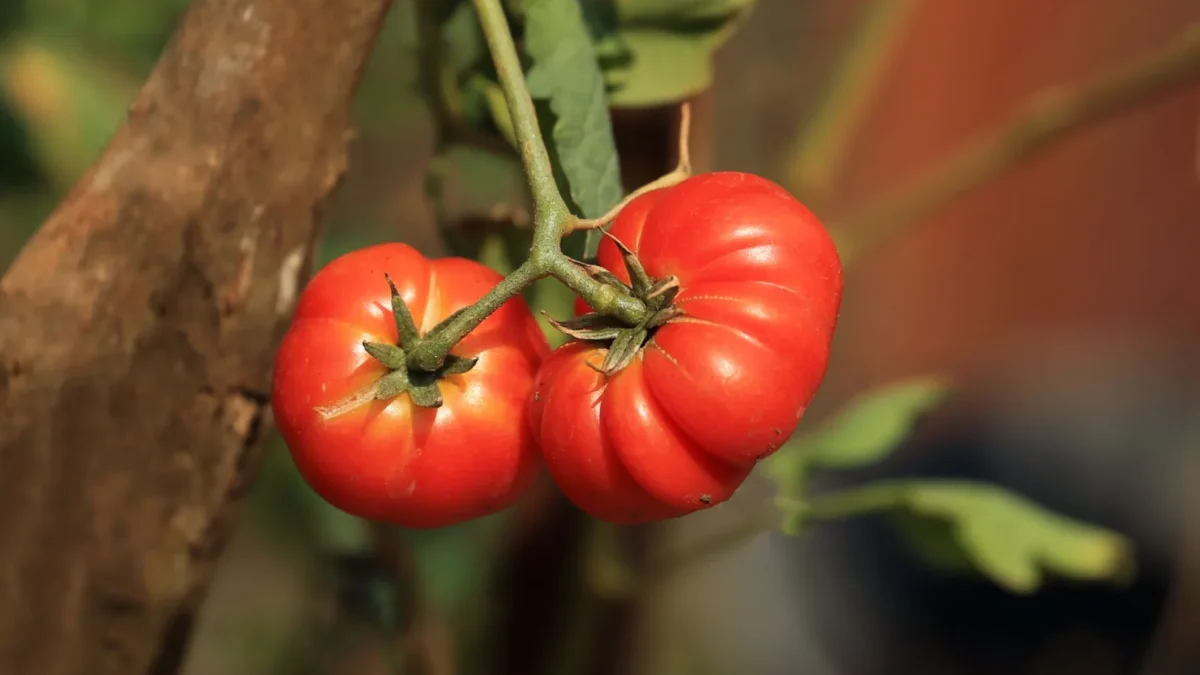
Quick answer: Your tomatoes are splitting and cracking because of fluctuating soil moisture, especially heavy rain or watering after dry periods. This causes the fruit to absorb water too quickly and burst from the inside. Consistent watering is your main defense against this problem.
| Botanical name | Solanum lycopersicum |
|---|---|
| Light | Bright overhead light for seedlings; light not necessary for fruit ripening |
| Watering | Keep soil evenly moist; water deeply 1–2 inches weekly in-ground; daily for containers |
| Temperature | Night temperatures 55–75°F for fruit set; avoid temperatures above 90°F |
| Soil | Deep, loamy, well-drained soil with organic matter; pH 6.2–6.8 |
| Feeding | Regular liquid tomato food once fruits form, per manufacturer instructions |
| Difficulty | moderate |
| Cats | ⚠️ toxic — Leaves, stems, green fruit contain solanine; ripe fruit non-toxic |
| Dogs | ⚠️ toxic — Leaves, stems, green fruit contain solanine; ripe fruit non-toxic |
| What you see | Likely cause | What to do |
|---|---|---|
| Cracks radiating from the stem; fruit otherwise looks normal | Uneven watering—dry spell followed by heavy rain or deep watering | Switch to consistent, regular watering schedule |
| Radial cracks (lines from center outward); splits on shoulder | Sudden moisture increase during fruit development | Water deeply but evenly; avoid letting soil dry out between waterings |
| Concentric cracks (rings around the fruit); splits near bottom | Prolonged dry period followed by heavy watering | Maintain even soil moisture throughout the growing season |
| Splits appear after heavy rain | Rainfall after drought stress | Install drip irrigation or soaker hose for steady moisture |
Why uneven watering causes tomatoes to split
When you keep soil moisture inconsistent, the fruit absorbs water unevenly during growth. A dry spell followed by heavy rain or deep watering overwhelms the fruit’s skin, which can’t stretch fast enough to accommodate the sudden influx. The pressure inside builds until the skin splits, usually in a radial pattern from the stem or in concentric rings around the shoulder.
For ground-planted tomatoes, water deeply once a week, providing about 1–2 inches of water each time. For raised bed tomatoes, water every 3–5 days, adjusting based on weather and soil moisture levels; for container tomatoes, water daily, or even twice a day during hot weather. Plants in containers dry out quickly, so they may need watering daily in hot weather.
Use drip irrigation or a soaker hose or direct the garden hose at the base of the plant rather than overhead watering, which wastes water and wets foliage. Soak the soil thoroughly to a depth of 8 to 10 inches; do not use light, frequent sprinkling.
How to prevent splitting on the vine
-
Water on a consistent schedule. Don’t wait until soil is bone-dry, and don’t drench after neglecting the plant. Aim for evenly moist soil throughout the season.
-
Match watering to your growing method. Container-grown tomatoes need far more frequent watering than in-ground plants because pots heat up and dry out fast. Raised beds fall somewhere in between.
-
Water at soil level. Splashing water on leaves encourages disease and wastes moisture that should reach the roots.
-
Mulch heavily. Apply mulch three to four inches deep and close to the plants. Mulch buffers soil temperature and moisture, reducing the stress that causes splitting.
-
Plan ahead for rain. During wet spells, you may be able to skip or shorten watering—monitor soil moisture by hand rather than following a blind schedule.
Some varieties are naturally more resistant to splitting than others. Heirloom tomatoes and thin-skinned varieties split more easily; modern hybrid varieties are often bred for tougher skin. If splitting is a recurring problem in your garden, try a crack-resistant variety next season—but consistent watering will solve the issue regardless of which tomato you grow.
Read the full guide: Tomato Care: The Complete Growing Guide
Was this article helpful?
More about Tomato
The same problem in other plants
- Why Is My Zucchini Plant Only Producing Male Flowers?
- Why Is My Zucchini Not Producing Fruit?
- Why Your Cucumber Plants Aren't Producing Fruit
Sources
Photo: Jeffry Surianto / Pexels, Pexels