
Tomato Solanum lycopersicum
Why Is My Tomato Plant Wilting: Diagnosis and Quick Fixes
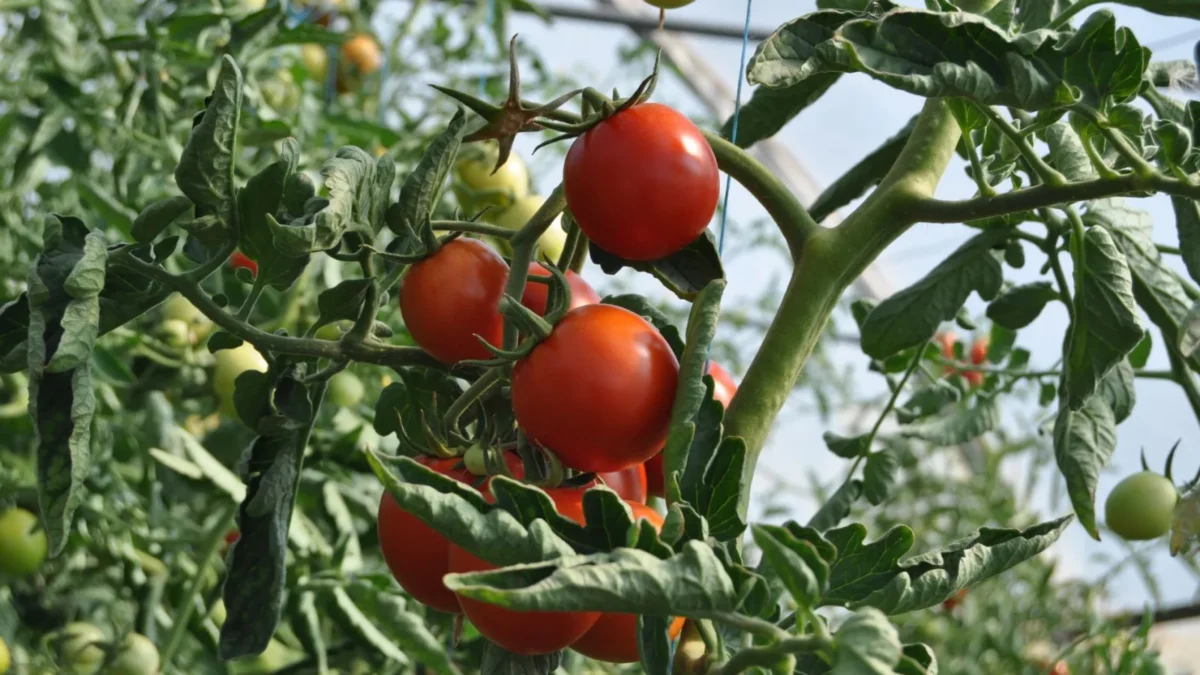
Quick answer: Your tomato plant is wilting because of incorrect watering, disease, extreme heat, or sometimes pests. Check your soil moisture first—if it’s bone dry, water deeply; if it’s soggy, the roots are drowning. If the soil is moist and the plant still wilts, look for signs of fungal disease or heat stress.
| Botanical name | Solanum lycopersicum |
|---|---|
| Light | Bright overhead light for seedlings; light not necessary for fruit ripening |
| Watering | Keep soil evenly moist; water deeply 1–2 inches weekly in-ground; daily for containers |
| Temperature | Night temperatures 55–75°F for fruit set; avoid temperatures above 90°F |
| Soil | Deep, loamy, well-drained soil with organic matter; pH 6.2–6.8 |
| Feeding | Regular liquid tomato food once fruits form, per manufacturer instructions |
| Difficulty | moderate |
| Cats | ⚠️ toxic — Leaves, stems, green fruit contain solanine; ripe fruit non-toxic |
| Dogs | ⚠️ toxic — Leaves, stems, green fruit contain solanine; ripe fruit non-toxic |
| What you see | Likely cause | What to do |
|---|---|---|
| Soil is dry; wilting worse in afternoon | Underwatering | Water deeply to 8–10 inches. For in-ground tomatoes, water 1–2 inches weekly. Container plants need daily watering, twice daily in heat. |
| Soil is constantly wet; leaves yellow | Overwatering or poor drainage | Stop watering for 2–3 days. Ensure soil drains well. Water less frequently but more deeply. |
| Brown spots with concentric rings and yellow halos on lower leaves | Early blight (fungal disease) | Remove affected leaves immediately. Water at the base only, not on foliage. Improve air circulation. |
| Wilting despite moist soil; no spots visible | Heat stress or transplant shock | Provide afternoon shade if temps exceed 90°F. Check that night temps are 55–75°F for fruit set. |
| Wilting, stunted growth; sticky insects on undersides | Whitefly or aphid infestation | Spray undersides of leaves with water or insecticidal soap. Remove heavily infested leaves. |
| Plant droops after transplanting; soil is moist | Transplant shock | Keep soil consistently moist but not waterlogged. Shade the plant for a few days if newly moved. |
How to tell which problem your tomato plant has
Start by pressing your finger 2 inches into the soil near the base of the plant. If it’s dry, underwatering is your culprit. If it’s soggy and smells bad, overwatering or poor drainage is the issue.
If the soil moisture is normal, look at the leaves and stems. Early blight shows up as dark brown spots with a target pattern and yellow rings, usually starting on the lower leaves. This spreads quickly in wet conditions, so act fast.
If you see no spots but the plant wilts during the hottest part of the day and recovers slightly at dusk, heat stress is likely, especially if daytime temps are consistently above 90°F.
Check the undersides of leaves for tiny white insects (whiteflies) or clusters of soft-bodied pests (aphids). These feed on the plant and weaken it, causing wilting.
How to fix wilting in each situation
Underwatering: Water deeply and thoroughly. Soak the soil to 8–10 inches depth; don’t just sprinkle. For in-ground plants, provide 1–2 inches of water weekly. For containers, water daily in normal weather and twice daily during heat. Use a drip hose or soaker hose aimed at the base to deliver water where roots can use it.
Overwatering: Let the soil dry slightly between waterings. Waterlogged soil lacks oxygen, which roots need to absorb nutrients and water. Check that your soil is well-drained and loamy with organic matter. If your soil is heavy clay, consider adding compost or growing in raised beds.
Early blight: Pinch off all affected leaves and discard them (don’t compost). Water only at the base, keeping foliage dry. Improve air circulation around the plant by spacing them wider if possible. In severe cases, remove the entire lower third of the plant.
Heat stress: If nighttime temperatures are consistently above 75°F, fruit set will stop and the plant will struggle. Provide afternoon shade with a cloth or nearby taller plants. Mulch the soil 3–4 inches deep to keep roots cooler.
Pest damage: Spray affected leaves, especially the undersides, with water or insecticidal soap. Remove heavily infested leaves. Repeat every 3–5 days until pests disappear.
Preventing wilting before it happens
Consistent soil moisture is your best defense. Keep the soil evenly moist but not waterlogged—fluctuating moisture causes not just wilting but also fruit problems like blossom-end rot. Use mulch 3–4 inches deep around the base to regulate soil temperature and moisture.
Water at the base with a drip hose or soaker rather than overhead watering, which wets the foliage and invites fungal disease. Space plants wide enough for air to flow between them, especially in humid climates.
Plant in soil that drains well with a pH of 6.2–6.8 and plenty of organic matter. Once fruits form, feed regularly with liquid tomato food so plants have the nutrition to handle stress.
Read the full guide: Tomato Care: The Complete Growing Guide
Was this article helpful?
More about Tomato
The same problem in other plants
- Why Bell Peppers Are Drooping or Wilting
- Why Are My Zucchini Leaves Drooping or Wilting?
- Why Are My Cucumber Leaves Drooping or Wilting?
- Why Is My Basil Plant Wilting or Drooping?
Sources
- Create Your Own Tomato Watering Schedule
- Visit us on the Web: www.gardeninghelp.org Tomatoes
- Gardening Help FAQs
Photo: erkan budak / Pexels, Pexels