
Tomato Solanum lycopersicum
Tomato Care: How to Grow Healthy Tomato Plants Indoors and Outdoors
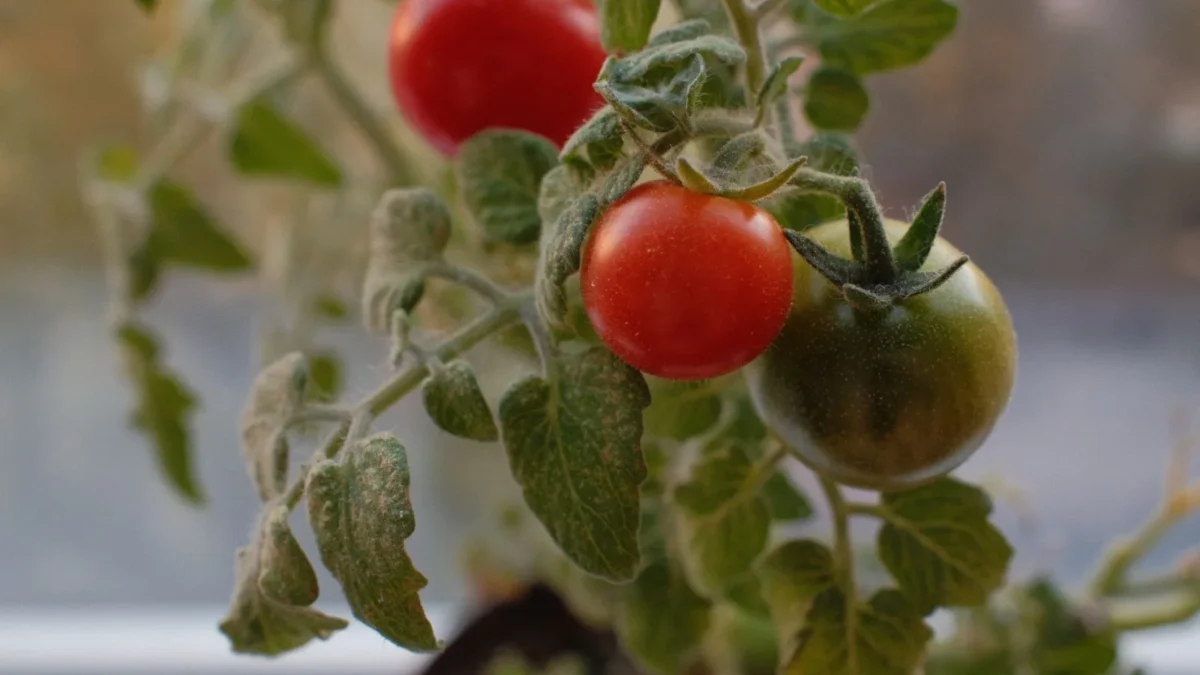
Growing tomato plants successfully means understanding their specific needs for light, water, temperature, and nutrients. This guide covers everything you need to know to grow healthy plants from seedlings through harvest, including how to prevent the most common problems that catch gardeners off guard.
| Botanical name | Solanum lycopersicum |
|---|---|
| Light | Bright overhead light for seedlings; light not necessary for fruit ripening |
| Watering | Keep soil evenly moist; water deeply 1–2 inches weekly in-ground; daily for containers |
| Temperature | Night temperatures 55–75°F for fruit set; avoid temperatures above 90°F |
| Soil | Deep, loamy, well-drained soil with organic matter; pH 6.2–6.8 |
| Feeding | Regular liquid tomato food once fruits form, per manufacturer instructions |
| Difficulty | moderate |
| Cats | ⚠️ toxic — Leaves, stems, green fruit contain solanine; ripe fruit non-toxic |
| Dogs | ⚠️ toxic — Leaves, stems, green fruit contain solanine; ripe fruit non-toxic |
Key points:
– Seedlings need bright overhead light, but ripening fruit needs warm temperatures more than light
– Keep soil evenly moist by watering deeply 1–2 inches weekly in-ground, every 3–5 days in raised beds, and daily in containers
– Night temperatures between 55–75°F are essential for fruit set; temperatures above 90°F cause stress
– Deep, loamy soil with pH 6.2–6.8 and plenty of organic matter gives the best results
– Start feeding with liquid tomato food once fruits form
– Tomato leaves, stems, and green fruit are toxic to cats and dogs, but ripe fruit is safe
Sunlight and Temperature Requirements
Light for seedlings and mature plants
Seedlings need bright overhead light to develop into sturdy plants. However, once your tomatoes are growing in the garden or a large container, light becomes less critical for ripening. Warm temperatures matter far more—fruit ripens best when the plant experiences consistent warmth rather than full sun exposure.
This is important to know because many gardeners worry that shaded locations will prevent ripening. In reality, if temperatures stay warm (between 55–75°F at night), your tomatoes will ripen even in partial shade.
Temperature for flowering and fruit set
Tomato flowers need specific conditions to set fruit. The flowers will begin to develop fruit only when night temperatures are between 55 and 75°F. If nights drop below 55°F or climb above 75°F, pollination fails and the flowers simply drop without forming fruit. This is why early-season gardeners in cool climates sometimes see abundant flowers but no fruit in spring—temperatures are too cold.
Heat stress above 90°F affects fruit quality in a different way. Consistently hot temperatures stress the plant, causing leaves to curl as the plant tries to conserve water. While the plant is trying to survive the heat, fruit production often slows.
Watering Your Tomato Plants
Watering is where tomato care becomes most critical, because fluctuating moisture levels cause more problems than almost anything else. Inconsistent watering directly causes fruit splitting and blossom end rot, and both overwatering and underwatering damage the plant in different ways.
In-ground tomatoes
For tomatoes planted directly in garden beds, water deeply once a week, providing about 1–2 inches of water each time. “Deeply” means soaking the soil thoroughly to a depth of 8 to 10 inches—not light, frequent sprinkling. This encourages deep root growth and helps the plant access moisture during dry spells.
Raised bed tomatoes
Raised beds drain faster than in-ground beds, so plan on watering every 3–5 days, adjusting based on weather and current soil moisture levels. During warm weather, you may need to water every 2 to 3 days. Check the soil moisture before watering—if it feels damp an inch below the surface, wait another day.
Container tomatoes
Containers dry out much faster than garden soil. Water daily, or even twice a day during hot weather. A fully-grown tomato plant in a pot may consume up to a gallon of water daily and might need watering twice a day in hot and dry conditions. Feel the soil surface—if it’s dry to the touch, it’s time to water.
How overwatering damages plants
Too much water suffocates tomato roots and prevents nutrient absorption, causing leaves to yellow even though the soil is wet. Soggy soil lacks the oxygen that roots need to function, essentially drowning the plant. This is why watering deeply but less frequently works better than daily shallow watering for in-ground plants.
Watering method
Use drip irrigation, a soaker hose, or direct the garden hose at the base of the plant. This keeps water off the leaves, reducing fungal disease problems. Overhead watering creates wet foliage that encourages early blight and other leaf diseases.
Soil Preparation and Nutrition
Soil structure and pH
Tomatoes prefer a deep, loamy soil that is well-drained and has a good supply of organic matter, with a pH between 6.2 and 6.8. Before planting, work in compost or aged manure to improve soil structure and add nutrients. Loamy soil (a balanced mix of sand, silt, and clay) drains well but still holds moisture—exactly what tomatoes need.
If your soil is very acidic or alkaline, amending it takes time. Have your soil tested before the season starts, giving you time to adjust pH if needed.
Mulching
Apply mulch three to four inches deep and close to the plants. Mulch keeps the soil temperature consistent, reduces water loss, and prevents soil from splashing onto lower leaves (which spreads fungal disease). If using organic mulch like straw or compost, it’s recommended to apply additional nitrogen fertilizer, since the decomposing mulch will use some of the available nitrogen.
Spacing and Support Structures
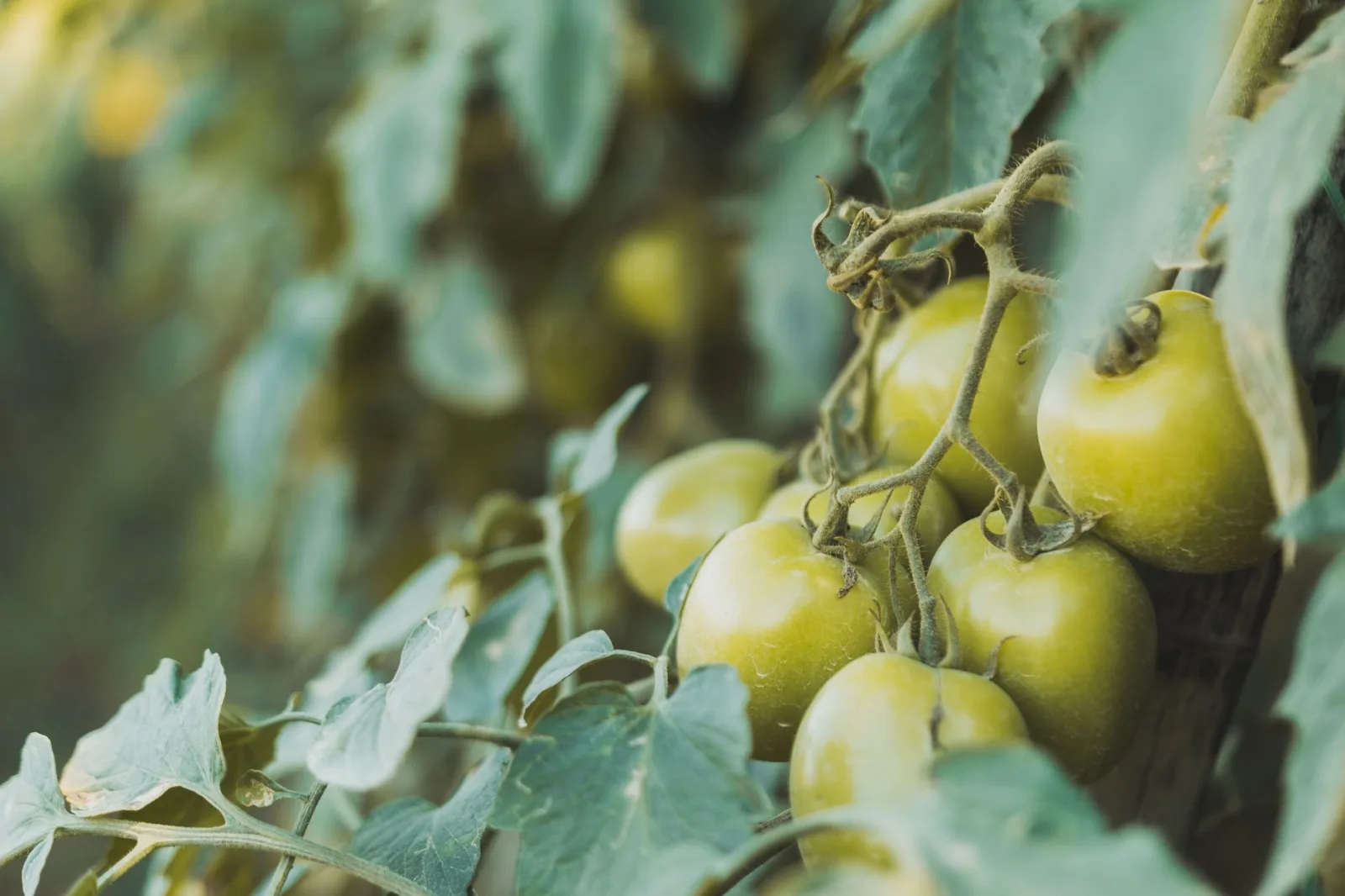
Cordon tomatoes (also called indeterminate varieties) are vigorous, fast-growing plants that get very tall and need suitably tall supports. As they grow vertically, they take up very little ground space, but they require regular maintenance—watering, feeding, tying to supports, and removing side-shoots to encourage a single main stem.
When you plant seedlings, set them deeply into the soil so that the first leaves are just above the soil surface. This stimulates the development of roots on the upper part of the stem, resulting in a stronger overall root system.
Fertilizing for Healthy Growth and Fruit Production
Once fruits start to form, feed the plants regularly with a proprietary liquid tomato food according to the manufacturer’s instructions. Tomato-specific fertilizers are formulated to support fruiting rather than excessive leaf growth, so they’re worth using rather than general-purpose plant food.
Tomatoes are hungry plants once they begin producing, so consistent feeding prevents nutrient deficiencies that can show up as yellowing leaves or poor fruit quality. Follow the label instructions carefully—overdoing fertilizer won’t help and can cause salt buildup in the soil.
Common Tomato Problems: Yellowing, Blossom End Rot, and Wilting
Yellow leaves on tomato plants
Yellow leaves have several possible causes, and identifying which one is happening helps you fix the problem.
Nitrogen deficiency is the primary cause of yellow tomato leaves, especially when yellowing starts at the bottom of the plant and moves upward. Nitrogen is essential for chlorophyll production; without enough, leaves can’t maintain their green color. If you’re feeding regularly with tomato food, this is less likely unless the plant is in a container that’s being watered very frequently (excess water can leach nitrogen out).
Too much water is another common culprit. Soggy soil causes leaves to yellow even when you’re watering because the roots can’t absorb nutrients properly. Check whether the soil stays wet for days after watering; if so, improve drainage or reduce watering frequency.
Magnesium deficiency causes yellow areas between leaf veins while the veins stay green (interveinal chlorosis). This is common in acidic soils or when excess potassium blocks magnesium uptake. Iron deficiency typically shows as yellowing on younger leaves.
Why tomato leaves turn brown
Early blight is a fungal disease causing dark brown spots with concentric rings (target pattern) surrounded by yellow halos. It starts on lower leaves and moves upward. Remove affected leaves, improve air circulation, and avoid watering from overhead.
Why tomato plants wilt
Wilting most often happens from inconsistent watering—either the soil has dried out completely or it’s waterlogged. Feel the soil before assuming the cause: dry soil at the base means the plant needs water; soggy soil means you’re overwatering and roots are drowning. Wilting from heat stress also happens during extreme hot days; the plant recovers when temperatures cool in evening. If wilting persists despite proper watering and temperatures, the plant may have a fungal disease affecting the roots.
Curling leaves and environmental stress
Curled or rolled tomato leaves most commonly result from physiological stress—the plant’s reaction to environmental problems rather than disease. The main causes are inadequate watering, overwatering, unstable temperatures, and exposure to herbicides. Curling leaves can signal that a plant is short of water. However, viruses and pests also cause curling. The most common viral diseases causing leaf curl are tomato mosaic virus and yellow leaf curl virus, both spread by insect pests like whiteflies. Pests such as whiteflies, aphids, and broad mites often feed on tomato plants, causing leaves to curl.
Fix the environmental stress first—ensure consistent watering and stable temperatures. If the problem persists and you see insects or yellowing mottling on leaves, the plant may have a virus or pest infestation that requires treatment.
Pests and Diseases: Identification and Treatment
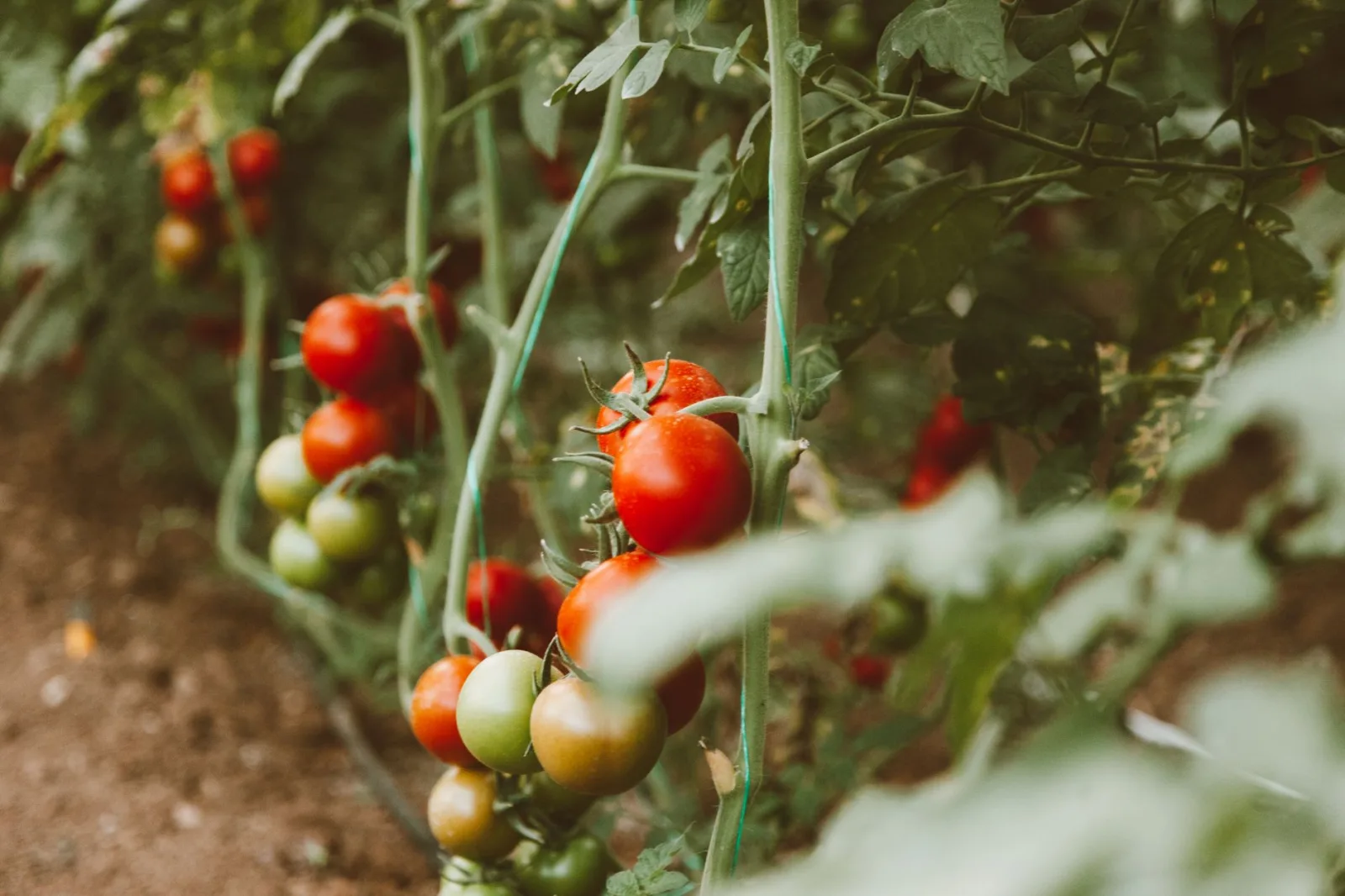
Tomatoes are moderately easy to grow, but they’re more delicate than some gardeners realise. Common pests like whiteflies, aphids, and broad mites weaken plants by feeding on sap, and they also spread viruses. Early blight and other fungal diseases thrive in humid conditions with wet foliage.
The best defense is prevention: space plants for good air circulation, water at the base (not overhead), remove lower leaves as the plant grows, and inspect new plants before bringing them into the garden.
Harvesting Tomatoes at Peak Ripeness
Harvest tomatoes when they’re fully ripe for the best flavor. Ripe tomatoes can be left on the vine and will continue to develop flavor. If frost threatens and you have green tomatoes still on the vine, pick them and let them ripen indoors in a warm location.
Companion Planting for Tomato Success
Tomatoes grow well alongside basil, which many gardeners plant at the base of tomato plants for both practical and culinary reasons. Carrots, onions, and parsley also make good companions. Avoid planting tomatoes near brassicas (cabbage, broccoli, kale) or fennel, which can inhibit tomato growth.
FAQ
Are tomato leaves toxic to pets?
Yes—the leaves, stems, and any green unripe fruit contain solanine, which is toxic to dogs and cats. Ripe red tomatoes are non-toxic, so keep pets away mainly from the vines and any green fruit that drops to the ground. If your cat or dog eats the leaves, they might experience lethargy, drooling, stomach upset, diarrhea, vomiting, and changes in behavior.
Is ripe tomato safe for dogs and cats?
Ripe fruit is non-toxic. The toxic compounds (solanine and tomatine) are only present in leaves, stems, and unripe green fruit.
How often should I water tomatoes?
For in-ground tomatoes, water deeply once a week, providing about 1–2 inches of water each time. For raised beds, water every 3–5 days; for containers, water daily or even twice daily in hot weather.
What temperature do tomatoes need to produce fruit?
Flowers will set fruit when night temperatures are between 55 and 75°F. If nights are cooler or warmer than this range, the flowers will drop without forming fruit.
Why are my tomato leaves curling?
Physiological leaf curl (from watering problems, temperature stress, or herbicide exposure) is the most common cause. However, viruses spread by whiteflies also cause curling, as do pests like aphids and broad mites. Check for insects or unusual leaf markings to rule out pests or disease.
Was this article helpful?
More about Tomato
Sources
- Create Your Own Tomato Watering Schedule
- How to grow Tomatoes
- Visit us on the Web: www.gardeninghelp.org Tomatoes
Photo: Ellie Beth / Pexels, Pexels