
Tomato Solanum lycopersicum
Best Fertilizer for Tomatoes: Nutrients at Every Growth Stage
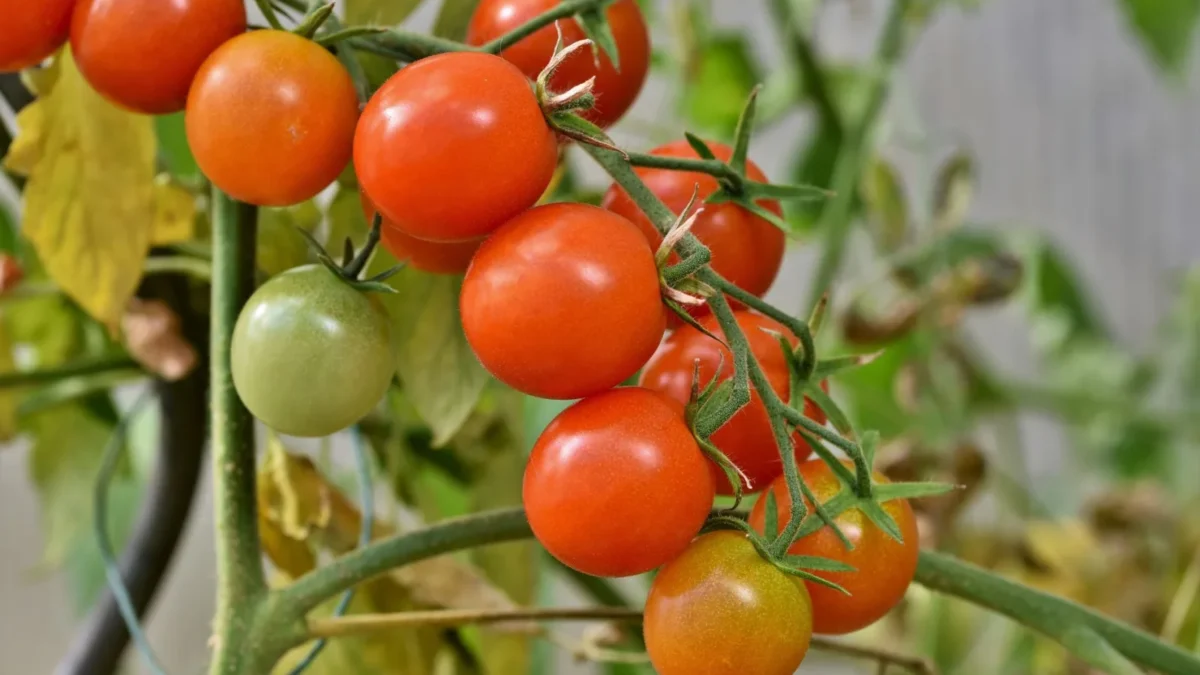
Quick answer: The best fertilizer for tomatoes is a liquid tomato food applied once fruits start to form, following the manufacturer’s instructions. Before fruiting, focus on building strong plants with balanced nutrition; once flowers appear, switch to a tomato-specific formula to support heavy fruit production.
| Botanical name | Solanum lycopersicum |
|---|---|
| Light | Bright overhead light for seedlings; light not necessary for fruit ripening |
| Watering | Keep soil evenly moist; water deeply 1–2 inches weekly in-ground; daily for containers |
| Temperature | Night temperatures 55–75°F for fruit set; avoid temperatures above 90°F |
| Soil | Deep, loamy, well-drained soil with organic matter; pH 6.2–6.8 |
| Feeding | Regular liquid tomato food once fruits form, per manufacturer instructions |
| Difficulty | moderate |
| Cats | ⚠️ toxic — Leaves, stems, green fruit contain solanine; ripe fruit non-toxic |
| Dogs | ⚠️ toxic — Leaves, stems, green fruit contain solanine; ripe fruit non-toxic |
When to Start Feeding Your Tomato Plants
Tomato seedlings don’t need fertilizer immediately—they can draw nutrients from quality seed-starting mix for the first few weeks. Once they’ve developed their first true leaves and you’ve thinned them to two inches apart, they’ll benefit from occasional feeding with a diluted, balanced fertilizer.
When you transplant seedlings into the garden, set them deeply so the first leaves sit just above the soil surface. This deeper planting encourages a stronger root system. If your soil is rich in organic matter with a pH between 6.2 and 6.8, you may not need heavy feeding at this stage—the goal is healthy vegetative growth.
Fertilizer for Flowering and Fruiting Tomatoes
As soon as fruits start to form, feed the plants regularly with a proprietary liquid tomato food according to the manufacturer’s instructions. This is when your fertilizer strategy changes. Tomato-specific formulas are designed to promote fruiting rather than excessive leaf growth, and they usually have lower nitrogen and higher phosphorus and potassium to support flower and fruit development.
For in-ground tomatoes, water deeply once a week with 1–2 inches of water to keep the soil evenly moist. Consistent moisture helps the fertilizer work effectively and prevents problems like blossom-end rot and fruit splitting. Container tomatoes need daily watering, sometimes twice daily in hot weather, so they’ll also need more frequent feeding to replace nutrients lost through drainage.
Raised bed tomatoes fall between the two: water every 3–5 days depending on weather and soil moisture. Adjust your fertilizer schedule accordingly—container plants will need feeding more often because they dry out faster.
Apply mulch 3–4 inches deep around the base of plants. When using organic mulch, apply additional nitrogen fertilizer as the mulch breaks down and uses up available nitrogen in the soil.
Best Fertilizer for Tomatoes in August and Late Season
In August and through late summer, continue the same regular liquid tomato food. The key is consistency rather than changing formulas. If plants show yellow lower leaves moving upward, they’re likely short on nitrogen; a balanced tomato feed will address this. If you see yellowing between the veins while veins stay green, that’s a magnesium deficiency, and a liquid tomato food designed for fruiting will supply the trace minerals your plants need.
Keep night temperatures in mind—flowers set fruit only when nights are between 55 and 75°F. If late-season cooling reduces fruit set, there’s little fertilizer can do, but maintaining proper feeding keeps existing fruit developing well.
FAQ
Can I use the same fertilizer for tomatoes and peppers?
Peppers and tomatoes are both Solanaceae family members with similar needs. A liquid tomato food works well for both during fruiting, though pepper-specific formulas may emphasize slightly different ratios. Follow the manufacturer’s instructions for whichever you choose.
What if my tomato plants are in containers?
Container tomatoes need daily watering, so nutrients drain out faster. Feed them with liquid tomato food at the frequency listed on the bottle—likely every week or every two weeks rather than monthly applications used for in-ground plants. A fully-grown container tomato can use up to a gallon of water daily.
Should I fertilize tomato seedlings?
No—seedlings growing under bright light in quality seed-starting mix don’t need fertilizer until they’re in the garden. Focus on bright overhead light for strong growth, and wait to feed until after transplanting and fruit set begins.
Read the full guide: Tomato Care: The Complete Growing Guide
Was this article helpful?
More about Tomato
The same problem in other plants
- When and How to Fertilize Bell Peppers
- Best Fertilizer for Zucchini Plants
- Best Fertilizer for Cucumber Plants
- Best Fertilizer for Basil: Indoor, Outdoor, and Potted Plants