
Tomato Solanum lycopersicum
How Far Apart to Space Tomatoes in Your Garden
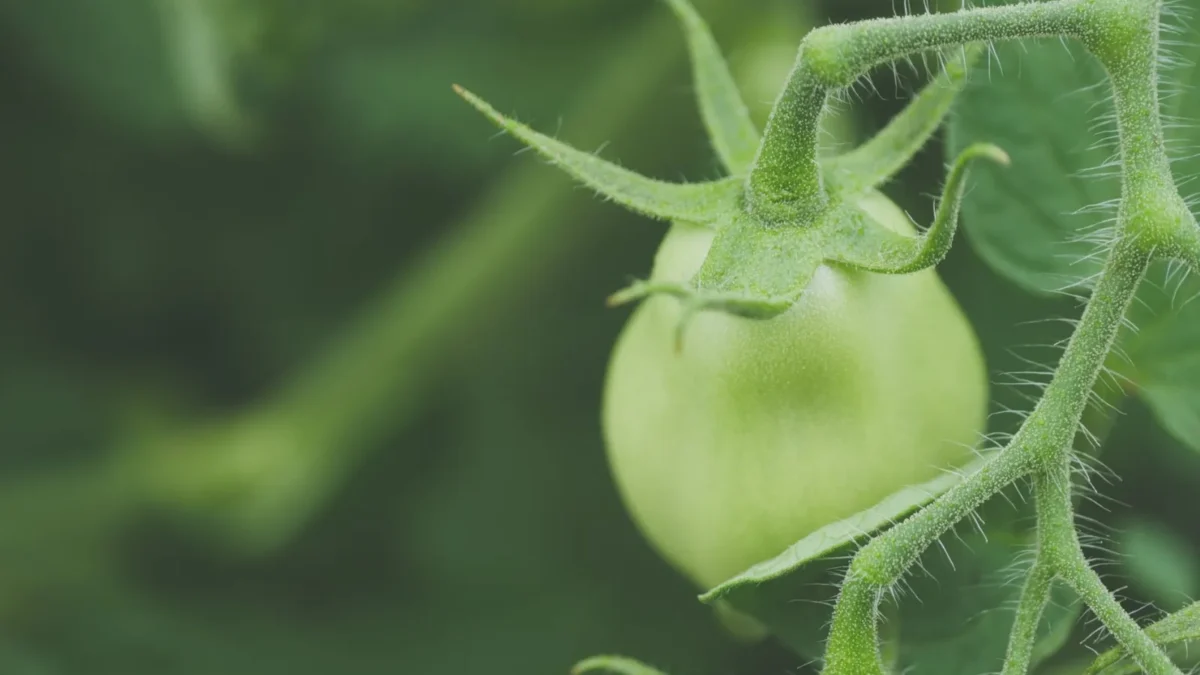
Quick answer: Space tomato plants 24–36 inches apart in all directions for in-ground gardens, 18–24 inches in raised beds, and 1 plant per 5-gallon container. Spacing prevents disease, improves air circulation, and ensures each plant gets enough light and nutrients.
| Botanical name | Solanum lycopersicum |
|---|---|
| Light | Bright overhead light for seedlings; light not necessary for fruit ripening |
| Watering | Keep soil evenly moist; water deeply 1–2 inches weekly in-ground; daily for containers |
| Temperature | Night temperatures 55–75°F for fruit set; avoid temperatures above 90°F |
| Soil | Deep, loamy, well-drained soil with organic matter; pH 6.2–6.8 |
| Feeding | Regular liquid tomato food once fruits form, per manufacturer instructions |
| Difficulty | moderate |
| Cats | ⚠️ toxic — Leaves, stems, green fruit contain solanine; ripe fruit non-toxic |
| Dogs | ⚠️ toxic — Leaves, stems, green fruit contain solanine; ripe fruit non-toxic |
Why tomato spacing matters
Tomatoes are more delicate than many gardeners realize—they need room to breathe. When plants are crowded, leaves stay damp longer after rain or watering, creating ideal conditions for fungal diseases like early blight. Proper spacing improves air movement around the foliage, allows light to reach lower leaves, and prevents competition for water and nutrients.
Spacing for different garden setups
In-ground gardens: Space plants 24–36 inches apart in rows that are 3–4 feet apart. This gives mature plants enough room to spread and lets you move between rows for watering, feeding, and maintenance. Deep, well-drained soil with organic matter is essential.
Raised beds: Use 18–24 inch spacing. Raised beds warm up faster and drain better than in-ground soil, so plants need slightly closer spacing. You’ll water more frequently—every 2–3 days during warm weather.
Square foot gardening: Plant 1 tomato per 4 square feet (one plant per 2×2 ft section). This is tighter than traditional spacing but works if you’re growing determinate (bushy, compact) varieties rather than tall indeterminate types.
Containers: Use a 5-gallon pot minimum per plant; larger containers (10+ gallons) produce better results. One plant per container allows it to access sufficient moisture and nutrients without competing with neighbors.
Getting spacing right from the start
When transplanting seedlings, thin or space them so each one has room to develop without crowding. This matters even before they go in the garden. Once seedlings have their first true leaves, they’ll grow fast—plant them deeper than they were in their containers so the first leaves sit just above soil level. This builds a stronger root system.
Indeterminate varieties (tall, vigorous types) naturally need more space than determinate ones since they grow vigorously and require taller supports. If space is tight, choose compact determinate varieties or grow tall types in containers where you can manage their height.
Adjusting spacing for your conditions
If your area is humid or has frequent rain, lean toward the wider end of spacing recommendations to maximize airflow. In hot, dry climates, slightly closer spacing (within the range given) reduces sun scald on fruit. Your soil quality also matters—rich soil with good organic matter allows plants to thrive even at tighter spacing, while poor soil demands more space to prevent nutrient competition.
Once plants are growing, consistent watering becomes your main tool for success. Keep soil evenly moist; fluctuating moisture causes splitting and blossom end rot. Water deeply 1–2 inches weekly in-ground. When fruits form, feed regularly with liquid tomato food per the label.
Read the full guide: Tomato Care: The Complete Growing Guide
Was this article helpful?
More about Tomato
The same problem in other plants
- How to Grow Zucchini in Containers and Pots
- Zucchini Spacing: How Far Apart to Plant
- Cucumber Spacing: How Far Apart to Plant
- Basil Spacing: How Far Apart to Plant in Garden and Pots
Sources
- Visit us on the Web: www.gardeninghelp.org Tomatoes
- How to grow Tomatoes
- How Often to Water Tomato Plants: The Grower's Guide
Photo: Jessica Lewis 🦋 thepaintedsquare / Pexels, Pexels