
Tomato Solanum lycopersicum
Tomato Pests Pictures and Identification Guide
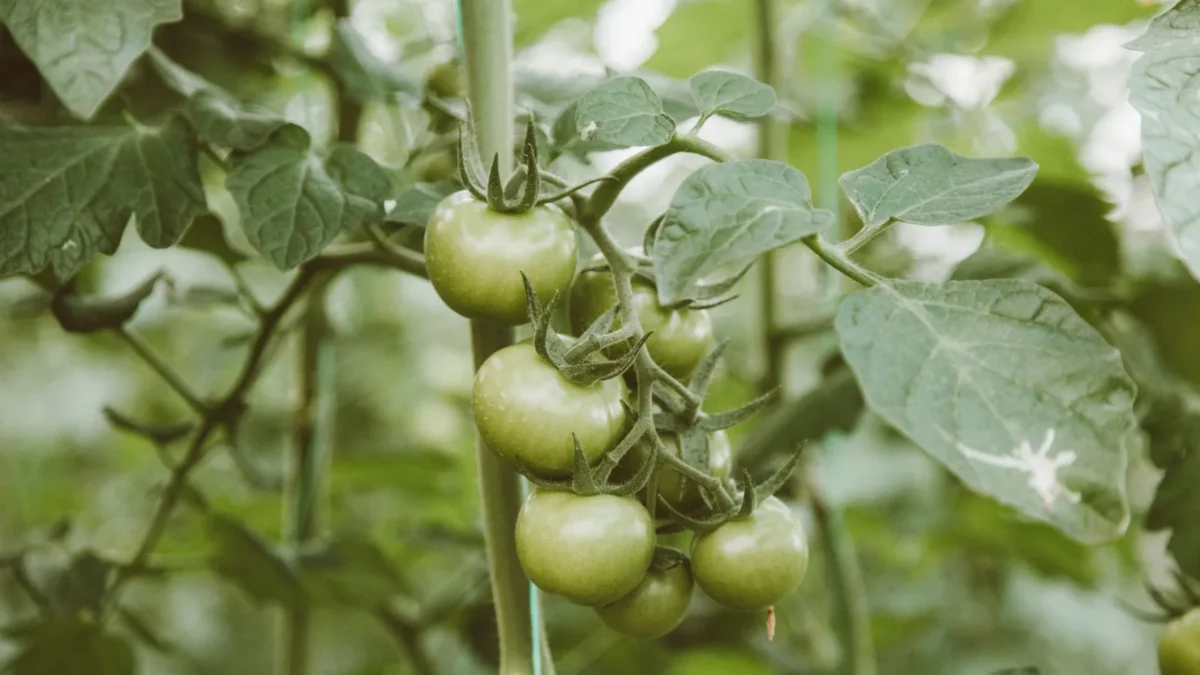
Quick answer: Tomato pests pictures help you spot damage early—the most common culprits are caterpillars, spider mites, whiteflies, and aphids. Each leaves distinct signs on leaves and fruit, and once you know what to look for, you can tackle them with organic methods before they become a real problem.
| Botanical name | Solanum lycopersicum |
|---|---|
| Light | Bright overhead light for seedlings; light not necessary for fruit ripening |
| Watering | Keep soil evenly moist; water deeply 1–2 inches weekly in-ground; daily for containers |
| Temperature | Night temperatures 55–75°F for fruit set; avoid temperatures above 90°F |
| Soil | Deep, loamy, well-drained soil with organic matter; pH 6.2–6.8 |
| Feeding | Regular liquid tomato food once fruits form, per manufacturer instructions |
| Difficulty | moderate |
| Cats | ⚠️ toxic — Leaves, stems, green fruit contain solanine; ripe fruit non-toxic |
| Dogs | ⚠️ toxic — Leaves, stems, green fruit contain solanine; ripe fruit non-toxic |
Common tomato pests and their signs
| What you see | Likely pest | What to do |
|---|---|---|
| Small holes in leaves; droppings on lower leaves | Caterpillars (hornworms, fruitworms) | Handpick visible caterpillars early morning or dusk; use Bacillus thuringiensis (Bt) spray |
| Fine webbing on leaves; yellowed, speckled foliage | Spider mites | Spray leaves with strong water stream; apply neem oil or miticide if severe |
| Tiny white insects on leaf undersides; sticky residue; yellowing leaves | Whiteflies | Remove affected leaves; use yellow sticky traps; spray with insecticidal soap |
| Curled, sticky leaves; soft-bodied insects clustered on stems | Aphids | Spray with insecticidal soap or neem oil; encourage beneficial insects |
| Stippled, bronzed leaves; distorted growth | Broad mites | Remove affected growth; spray with neem oil weekly |
| Wilting despite moist soil; yellowing from bottom up | Root-knot nematodes | Remove plant; avoid replanting tomatoes in same spot for 2–3 years |
How to identify each pest and what damage looks like
Caterpillars—especially tomato hornworms and fruit worms—chew large, irregular holes in leaves and bore directly into ripening fruit, leaving entry holes and tunnels inside. You’ll often spot dark droppings on the soil below affected plants. Hornworms are large and green; fruit worms are smaller and may be green, brown, or tan. Handpicking is highly effective for light infestations. For heavier pressure, whiteflies, aphids, and broad mites feed on tomato plants and cause leaves to curl, making the foliage look distorted and sticky.
Spider mites create fine webbing between leaves and stems. Infested foliage takes on a pale, speckled or bronzed appearance. Start by spraying the entire plant—especially leaf undersides—with a strong stream of water to dislodge them. If webbing returns within a few days, apply neem oil or sulfur spray according to label directions.
Whiteflies are tiny, moth-like insects that cluster on the undersides of leaves. They excrete sticky honeydew, which makes foliage shiny and attracts sooty mold. Yellow sticky traps hung near the plant catch adults before they lay eggs. Spray insecticidal soap directly on leaf undersides to smother both adults and nymphs.
Aphids are soft-bodied insects—usually green, black, or pink—that gather along stems and new growth. They also produce sticky residue and spread viruses. A strong spray of water can wash them away; follow up with insecticidal soap if they return quickly.
Broad mites are nearly invisible to the naked eye but cause severe leaf distortion, bronzing, and upward curling. Affected leaves often look almost burned at the edges. Remove the worst-affected growth immediately and spray the rest of the plant weekly with neem oil until new growth emerges normal.
Organic pest management for tomatoes
-
Scout regularly. Check leaf undersides and new growth every 2–3 days, especially in warm weather when populations explode.
-
Remove affected leaves early. Pinch off heavily infested leaves before pests spread to the rest of the plant; this removes pest habitat and improves air flow.
-
Use physical barriers. Row covers over young plants exclude flying insects; remove them once flowering begins so bees can access flowers.
-
Spray with organic solutions. Insecticidal soap works best on soft-bodied insects like aphids and whiteflies; neem oil controls a broader range but must coat both leaf surfaces thoroughly.
-
Introduce beneficial insects. Ladybugs, lacewings, and parasitic wasps feed on pest eggs and larvae. Plant flowering herbs nearby to attract them.
-
Avoid overhead watering. Water at the base of plants to keep foliage dry; wet leaves encourage fungal disease and hide pests from beneficial insects.
FAQ
What are the most damaging tomato pests?
Caterpillars and spider mites cause the most visible damage—caterpillars hollow out fruit and chew ragged holes in leaves, while mites weaken plants by sucking sap. However, whiteflies and aphids spread viruses that can cripple a plant’s productivity, making them equally serious long-term.
Can I use pesticides on edible tomatoes?
Organic options like insecticidal soap and neem oil are safe for use right up to harvest; follow label directions and spray in early morning or late evening when beneficial insects are less active. Always rinse ripe fruit before eating.
Read the full guide: Tomato Care: The Complete Growing Guide
Was this article helpful?
More about Tomato
The same problem in other plants
- Bell Pepper Pests: What's Eating Your Plants and How to Stop Them
- Common Zucchini Pests and How to Stop Them
- Cucumber Pests: Identification and Control
- Basil Pests: Identification and Control
Sources
Photo: ROMAN ODINTSOV / Pexels, Pexels