
Carrot Daucus carota
When to Fertilize Carrots: Before Planting for Best Results
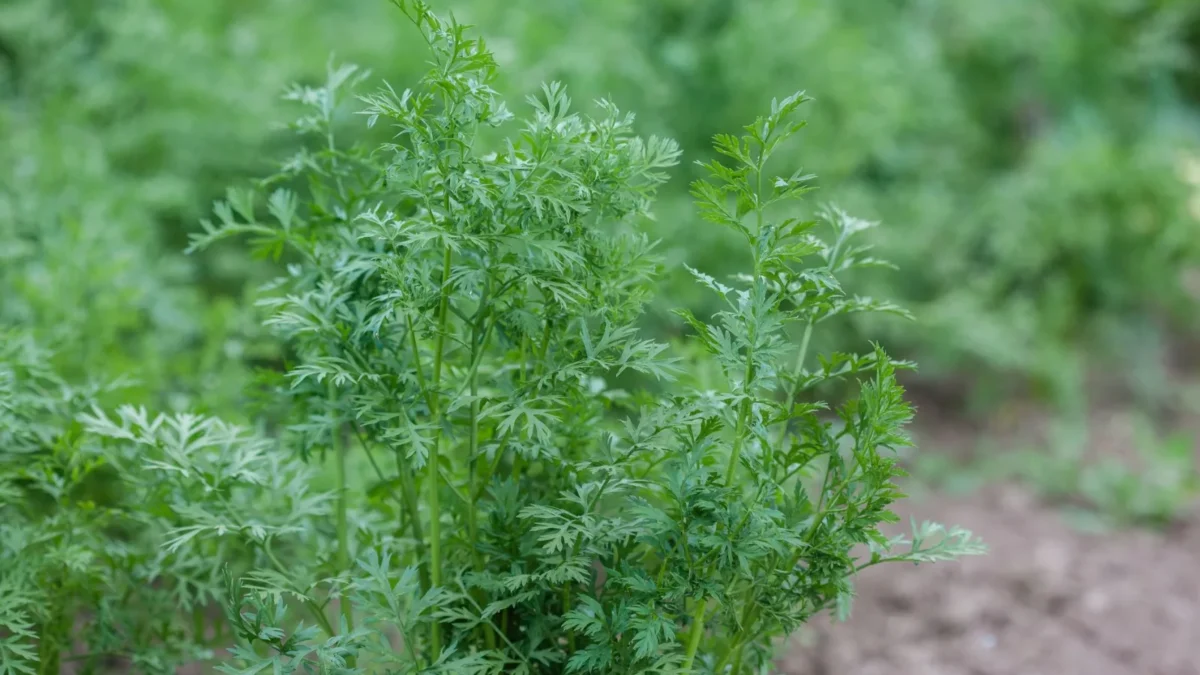
Quick answer: When to fertilize carrots is before planting—incorporate fertilizer directly into the soil before you sow seeds. Skip side dressings once growing; excess nitrogen reduces yield and quality. Ensure adequate nitrogen is available at the start.
| Botanical name | Daucus carota |
|---|---|
| Light | Full sun; at least 6 hours direct light daily; prefers 8-10 hours |
| Watering | 1 inch per week; deep soaking to 6-8 inches via soaker hose or irrigation |
| Temperature | Optimal soil temperature 55-75°F for germination; plant when soil is 45-50°F |
| Soil | Sandy loam; deep, well-drained; pH 6-7; raised beds 12-15 inches deep recommended |
| Feeding | Incorporate prior to planting; avoid excess nitrogen; ensure adequate nitrogen for early growth |
| Size | Thin to 2-4 inches apart for root development |
| Difficulty | easy |
Fertilize Before Planting, Not During Growth
The single biggest mistake with carrot fertilizer is applying it after planting. Carrots need their nutrients ready in the soil from day one, not added later as side dressings.
Mix your fertilizer into the top few inches of soil 1–2 weeks before sowing seeds. This gives nutrients time to settle and become available to seedlings. The goal is uniform distribution—hard clods of unbroken fertilizer in the soil will cause carrots to fork, become hairy, and grow crooked.
How Much Nitrogen to Apply
The general nitrogen recommendation for vegetable crops is 2 pounds per 1,000 square feet, equivalent to 0.2 pounds (3.2 ounces) per 100 square feet.
Before you apply anything, test your soil. If phosphorus and potassium levels are already high, use a nitrogen-only fertilizer instead of a balanced formula. Adding more phosphorus and potassium when soil already has plenty won’t help root development and may actually harm beneficial soil microbes.
Conventional growers often use balanced, general-purpose formulas like 10–10–10 or 19–19–19. Organic growers typically choose nitrogen-only products to match soil test results.
Carrot Seedlings: Focus on Early Nitrogen
Carrot seedlings are hungry for nitrogen in their first weeks, so it matters that you have enough in the soil right from germination. Once the plants are established and their roots are expanding, they don’t need extra feeding—which is why side dressings are unnecessary and actually harmful.
Carrots reach maturity in 65–75 days from seed, so there’s no long growing season to manage; it’s a sprint from germination to harvest. All the nutrition work happens before the race starts.
Soil Preparation Matters as Much as Fertilizer
Fertilizer alone won’t fix poor soil. Carrots grow best in sandy loam that is deep and well-drained. Loose soil lets fertilizer particles dissolve evenly and roots penetrate without hitting hard spots that cause forking and distortion.
If your soil is clay-heavy or shallow, build a raised bed 12–15 inches deep. The depth gives roots room to develop straight and smooth, and the loose fill prevents nutrient-rich hard clods from forming.
Aim for a soil pH between 6 and 7—neutral to slightly acidic. At this pH, all the nutrients you’ve incorporated (including micronutrients) stay available to the plants.
FAQ
When to fertilize carrot seedlings in containers?
Same rule: incorporate fertilizer before planting. If you’re growing carrots in containers with fresh potting soil, you may need less or no additional fertilizer depending on the mix—potting soils often include starter nutrients.
Can I use compost instead of commercial fertilizer?
Yes. Well-rotted compost worked into the bed 1–2 weeks before planting acts as both fertilizer and soil conditioner. Use enough to noticeably improve texture and drainage without creating hard clods.
Why do excess nitrogen and beet fertilizer differ?
Carrots are sensitive to too much nitrogen, which triggers lush leafy growth at the expense of root quality and size. Beets tolerate more nitrogen because their roots aren’t as easily deformed by it. If you’re growing both, test your soil and fertilize accordingly rather than using the same rate for each crop.
Read the full guide: Carrot Care: The Complete Growing Guide
Was this article helpful?
More about Carrot
The same problem in other plants
- When to Fertilize Lettuce
- When and How to Fertilize Bell Peppers
- Best Fertilizer for Zucchini Plants
- Best Fertilizer for Cucumber Plants
Sources
- Growing Carrots in a Home Garden
- Growing carrots and parsnips in home gardens
- There's still time to plant more carrots
Photo: Julia Filirovska / Pexels, Pexels