
Carrot Daucus carota
Carrot Care: The Complete Growing Guide
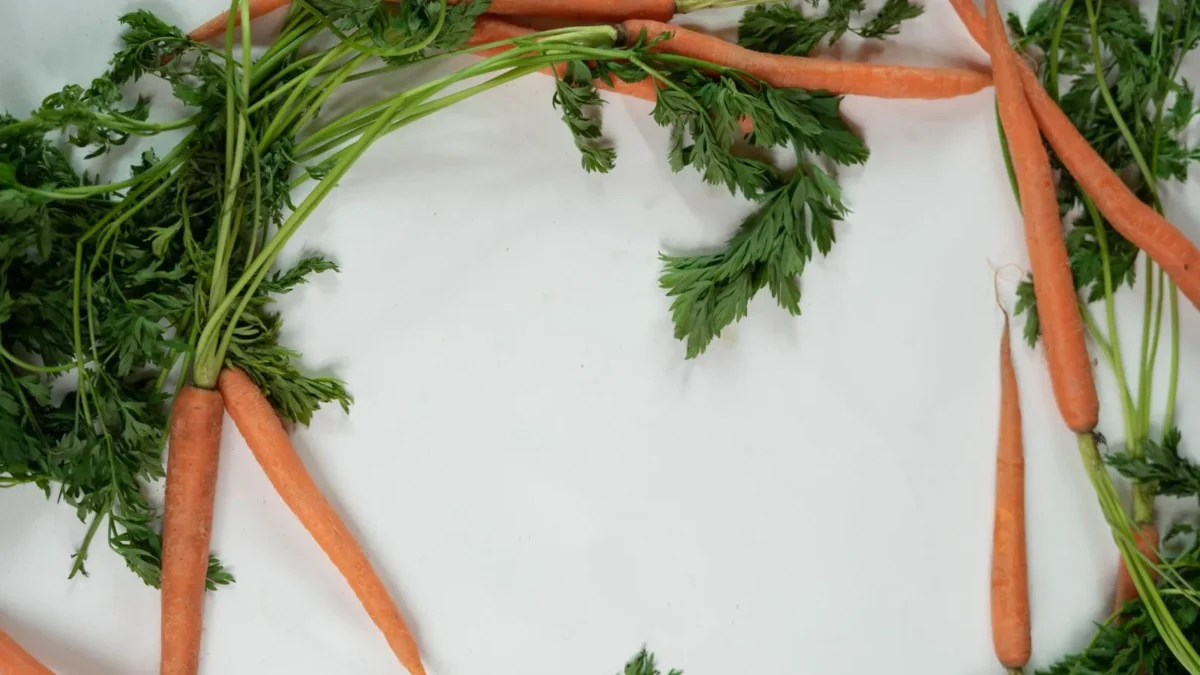
Carrot care centers on three non-negotiables: consistent moisture, full sun, and loose, deep soil. Get these right and you’ll harvest long, straight carrots instead of forked, hairy, or stunted roots. Most carrot problems—poor germination, shallow roots, pest damage, disease—trace back to mistakes with one of these three factors. This guide covers everything you need to grow carrots successfully, from planting through harvest.
| Botanical name | Daucus carota |
|---|---|
| Light | Full sun; at least 6 hours direct light daily; prefers 8-10 hours |
| Watering | 1 inch per week; deep soaking to 6-8 inches via soaker hose or irrigation |
| Temperature | Optimal soil temperature 55-75°F for germination; plant when soil is 45-50°F |
| Soil | Sandy loam; deep, well-drained; pH 6-7; raised beds 12-15 inches deep recommended |
| Feeding | Incorporate prior to planting; avoid excess nitrogen; ensure adequate nitrogen for early growth |
| Size | Thin to 2-4 inches apart for root development |
| Difficulty | easy |
Key points
- Carrots need 1 inch of water per week via soaker hose or drip irrigation, soaked 6–8 inches deep
- Provide at least 6 hours direct sun daily; 8–10 hours is ideal
- Loose, well-drained sandy loam at pH 6–7, at least 12–15 inches deep (raised beds work well)
- Space seedlings 2–4 inches apart after thinning at 3–4 inches tall
- Plant when soil temperature reaches 45–50°F; seeds take 12–14 days to germinate
- Fertilize before planting; avoid excess nitrogen
When to Plant Carrots and Optimal Growing Season
Carrots are a cool-season crop that thrives in spring and fall rather than summer heat. Direct-seed carrots in spring as soon as the garden soil can be worked. Plant when soil temperature has reached at least 45–50°F, though the optimal range for germination is 55–75°F.
For a continuous harvest, make two or three sowings spaced three weeks apart. For a fall crop, plant 10–12 weeks before your first frost.
Expect 65–75 days from seed to harvest. Because carrot seeds are slow to germinate—often taking 12 to 14 days—mix a few radish seeds into your carrot rows to mark where you’ve planted. The radishes will be ready to harvest just as the carrots need thinning.
Light Requirements for Carrot Growth
Carrots need full sun: at least 6 hours of direct light per day, though they prefer 8–10 hours. More sunlight drives faster growth and better root development. Without adequate light, plants produce weak foliage and poor roots. Good spacing between plants also allows sunlight to reach each carrot and keeps soil cool—another advantage for root growth.
Watering Carrots Correctly and Consistently
Consistent moisture is essential for carrot quality and size. Supply 1 inch of water per week via soaker hose, drip irrigation, or sprinkler, soaking the soil to a depth of 6–8 inches. Small-seeded crops like carrots are especially sensitive to moisture fluctuations, particularly in clay soils prone to crusting, so maintain even soil moisture from germination onward.
Don’t water by hand from a hose—this rarely wets soil thoroughly and can damage soil structure. Frequent light sprinkling encourages shallow root development and makes plants more susceptible to drought.
Consistent moisture during germination and seedling growth prevents soil crusting and allows roots to develop properly. Without continuous moisture in the upper profile, roots won’t penetrate a dry layer and will remain shallower than desired.
Insufficicient water causes vegetables to become bitter, tough, and undersized and slows root expansion in root crops like carrots. For reference, 1 inch of water will reach 6 inches into heavy clay but as deep as 10 inches into sandy soil.
Soil Preparation and Container Growing
Carrots grow best in sandy loam soil that is deep, well-drained, and free of obstacles. Rocks, clods, uncomposted manure, or hard soil will cause roots to fork, become hairy and crooked, or develop poorly.
Aim for soil pH between 6 and 7—neutral to slightly acidic.
Raised Beds
Raised beds worked to 12–15 inches deep provide optimum drainage and allow maximum root length and smoothness. If your garden has heavy clay or is shallow, raised beds are your best solution.
Container Growing
Carrots can grow in containers if you maintain moist (not soggy) soil. Use a loose potting mix and ensure your container is deep enough for the carrot variety you’re growing—at least 12 inches for standard carrots.
Soil Preparation
Loose, well-drained soil is key. If you’re planting directly into an existing bed, amend with aged compost or peat to improve drainage and break up compaction. Break up clods and remove rocks before seeding.
Spacing and Thinning Seedlings
Thinning is not optional—overcrowded carrots compete for water and nutrients and produce small, twisted roots. For efficient use of space, plant carrots in wide rows and thin to 1–2 inches apart. The rows themselves should be 14–24 inches wide.
When the largest seedlings are 3–4 inches tall, thin by pulling out extra seedlings so the remaining plants are 2–4 inches apart. Start thinning when roots reach about 1/2 inch diameter—these young carrots are tender and delicious for cooking. If you want large mature carrots, thin to 2 inches apart.
Fertilizing for Root Development
Fertilizer should be incorporated into the soil before planting. Don’t side-dress nitrogen during the season—excess nitrogen will reduce yields or lower quality.
Plants require adequate nitrogen for early growth. The general nitrogen recommendation for vegetable crops is 2 pounds per 1,000 square feet, or 0.2 pounds (3.2 ounces) per 100 square feet.
If you’ve had a soil test, check phosphorus and potassium levels. If they’re already high, use a nitrogen-only fertilizer; adding more P and K when soil is already plentiful won’t benefit your carrots and may harm beneficial soil microbes. Conventional growers often use balanced fertilizers like 10-10-10 or 19-19-19.
Temperature and Germination Conditions
The optimal soil temperature for carrot seed germination is 55–75°F, but seeds will germinate at temperatures as low as 45°F. Germination is slow—seeds typically take 12 to 14 days to sprout, sometimes up to three weeks.
To speed germination and prevent soil crusting (which blocks seedlings), cover seeds with 1/4 to 1/2 inch of soil and keep the seedbed evenly moist. You can also cover the seedbed with a light layer of sifted compost, grass clippings, sawdust, or vermiculite to prevent crusting. A film of clear plastic over the seedbed will warm the soil, prevent crusting, retain moisture, and speed germination—remove it as soon as seedlings show.
Carrots are semi-hardy and can tolerate light frosts, though roots can survive colder temperatures than the leafy tops. This hardiness is an asset in spring and fall but doesn’t help in summer heat, so avoid planting them during hot weather.
Harvesting Timing and Yield
You can harvest carrots anytime they reach a usable size. Small, tender roots are ready around 50–60 days if conditions are ideal; full maturity takes 65–75 days.
Don’t leave carrots in the ground too long. When left past their prime, they become tough and bitter.
For storage, keep carrots in cool conditions near 30°F with moist humidity during fall and winter months.
Common Carrot Pests and Diseases
Carrot Rust Fly
Carrot rust fly (Psila rosae) is a well-known pest of carrots and related crops. Adult flies cause no damage, but after eggs hatch, larvae immediately burrow into soil and tunnel through roots. The larval excrement (frass) is rust-colored, giving the flies their common name. On young carrots, this tunneling causes direct damage; mature carrots develop rusty tunnels that render them unmarketable.
Monitor with yellow sticky traps: if weekly counts are zero or very low, row covers or treatments can be delayed. Use row covers as soon as seedlings emerge whenever carrot flies are active. Since carrot rust flies are weak flyers and attracted by odor, isolating new plantings downwind of previous carrot fields reduces risk significantly.
Carrot Rust Fly Companion Planting
Mask the smell of your carrots by planting odoriferous companion crops nearby. Onions, chives, garlic, rosemary, and sage all deter carrot fly through scent.
Alternaria (Leaf Blight and Black Rot)
The fungus Alternaria dauci is one of the most damaging pathogens in carrots, killing leaves above ground and sometimes rotting roots in the soil. Symptoms include necrotic lesions and brown or black foliage. In storage, Alternaria species causes dry, mealy, black decay known as black rot.
For best control, use tolerant or resistant cultivars and monitor disease pressure with the TOM-CAST system (a DSV-based spray schedule) rather than spraying on a calendar.
Root Knot Nematode
Root-knot nematodes cause galls or root thickenings of various sizes. Since the root is what you’re harvesting, nematode damage directly affects marketability and can cause plants to decline.
Crown Rot
Crown rot produces horizontal dark brown lesions around the root crown. These soil-dwelling diseases are less common but can reduce yields of fresh-eating carrots and spread during storage, drastically lowering yields.
Black Root Rot
Black root rot occurs in poorly drained fields and shows dark coloration on the base of the stem (hypocotyl). In the field, symptoms include water-soaked, blackened tissue with yellowing leaves and wilting during moisture stress. The best prevention is avoiding crown and root injuries since infection favors wounded plants. In storage, black root rot is characterized by soft, watery rot with white mycelia and black sclerotia. Storage rot happens when temperature and humidity are too high.
Cavity Spot and Root Dieback
These conditions are caused by Pythium species and affect root quality.
Companion Planting for Better Growth
Carrots benefit from companion planting, especially for pest management. Planting onions, chives, garlic, rosemary, or sage nearby masks the carrot’s scent and deters carrot rust flies.
Radishes and carrots are classic companions—sow them together and harvest radishes as the carrots need thinning. This saves space and time.
FAQ
How often should I water carrots?
Water to supply 1 inch per week, using soaker hoses or drip irrigation to soak the soil 6–8 inches deep. Maintain consistent moisture from germination through harvest.
How much light do carrots need?
Carrots need at least 6 hours of direct sunlight daily; 8–10 hours is ideal. More light speeds growth and improves root development.
What is the best soil for carrots?
Sandy loam, deep and well-drained, at pH 6–7. For best results, use raised beds at least 12–15 inches deep to allow roots to develop long and smooth.
When should I fertilize carrots?
Incorporate fertilizer into the soil before planting. Do not side-dress nitrogen during the growing season; excess nitrogen reduces yields or quality.
What temperature do carrots prefer?
Optimal soil temperature for germination is 55–75°F. Plant when soil reaches 45–50°F. Carrots grow best in cool weather and do poorly during hot summers.
How do I know when to harvest carrots?
You can harvest carrots at any usable size. At 65–75 days from seed, roots reach full maturity, though small thinnings are ready sooner. Don’t leave them in the ground too long—they become tough and bitter.
Was this article helpful?
More about Carrot
Sources
- Growing Carrots in a Home Garden
- Growing carrots and parsnips in home gardens
- There's still time to plant more carrots
Photo: Dziana Hasanbekava / Pexels, Pexels